0:02
Well, hello everyone. Uh, let’s just give uh a couple of minutes, maybe a
0:08
minute more for some additional participants. We’re seeing some more folks join in. So, let’s just give
0:13
ourselves exactly a minute longer. And I think we’re ready to get started.
0:46
Okay, I think that’s uh about enough time. We’re starting to see more folks come in here. So, hello all and welcome
0:52
to this session today. Quick word of introduction. I am G Satir, CEO and
0:57
co-founder of Connect and with me is Rabu Akamar, CTO and co-founder at
1:04
Connect. Hi everybody. Great. Um so we’re here to discuss uh
1:10
maintenance and how maintenance can be made uh smarter, simpler and faster. You know
1:16
our taglines by connecting systems and uh also with the application of AI.
1:24
Uh Fabu I mean your thoughts. Yeah, in in this session we also will cover some
1:30
practical use cases and how uh an impact of an AI engine or automation uh you
1:38
know basically helps right and and of course as PUB always likes to emphasize every time we talk
1:44
about this either in private or out here uh we just don’t implement tech for the
1:49
sake of technology um it always has to be grounded in actual use cases and
1:55
That’s also something we expect as we uh to cover as we go forward in this session. So that said uh broadly uh what
2:04
we expect to discuss today is again a quick walk through of what uh connected
2:10
maintenance is all about our vision of what that is uh the role that uh we as
2:16
connect are proud to play a part of uh in that and most importantly
2:22
uh where AI and integration can actually help uh with all of this.
2:28
So without much further ado you know let’s talk a bit about connected maintenance. So prau do you want to talk
2:35
through this a bit? Yeah, in this today’s maintenance world, right, with our experience,
2:41
all these systems are um fragmented. Um all the environments are fragmented
2:48
across multiple systems, EM, ERPs, telematics, ELS, IoT devices, all these
2:55
different systems out there or in data silos and they they they are not integrated enough. Right? When these
3:03
systems are connected, operations become smarter. It goes back to smarter,
3:08
simpler, faster. Right? One quick uh a small use case uh with one of our
3:14
customers is say there is a EL device or a telematics device running on an uh
3:20
truck, right? Or a car or any automobile for that matter. Say there is an engine
3:25
light. Now what we can do with that kind of uh
3:31
information is we can pick up that engine light message from that EL platform. If it is dangerous enough, we
3:38
can create an auto workard, send alerts to maintenance team saying that hey this
3:43
is so bad this particular truck cannot operate or this particular uh car or
3:51
whatever that equipment that we are talking cannot operate right I’m taking device as a example but any IoT device
3:58
for that matter right so we can pick up signals and then alert uh the
4:04
maintenance team saying that this equipment cannot operate. Now that we
4:10
can achieve through integration on top of it, we can again we’ll talk about
4:15
those use cases. We can apply a engine’s uh intelligence where it helps a
4:21
mechanic to decide on what needs to be done. Satish. Yeah. Um so let me add one other aspect
4:28
to this right. While we talk about ERPs, EM CMS systems uh and certainly mobile
4:34
applications like ours um and and and sensors. One of the most prevalent the
4:41
most common systems we have seen um really is uh is uh in in every single
4:49
shop uh large and small uh enterprises is paper, clipboard and spreadsheets in
4:55
addition of course to whiteboards and post-it notes. I mean this is again the reality of life uh in shop floors in
5:01
maintenance on a daily basis. Clearly each of these systems including
5:06
you know the whiteboards um are specifically good in meeting those individual needs
5:14
uh you know within an environment but uh the connect platform kind of brings
5:19
these together and seamlessly and that’s truly what we’ve been doing uh which is a nice segue into
5:26
what we’ve been working on for about a decade now here at connect. Our history
5:32
is long and uh in this area and we’ve uh talked quite a bit about this uh in
5:39
recent times um plus in the past and uh in fact I encourage everybody to go and
5:45
read up the blog. There’s an actual origin story of connect out there. Please do go and look it up and ask us
5:50
questions if you have any. But the goal again for us really has been to sort of blend these multiple systems uh as
5:58
seamlessly as as possible and most importantly uh make it easy
6:06
for the mechanic the technician the end user I mean this is something we have not deviated from from day one.
6:13
So speaking of which let’s uh first address this question of integration. Um
6:19
you know probably we started with this objective of uh open enterprise architecture. This is kind of a unique
6:25
approach we took back then essentially it’s an all our welcome sign in terms of
6:31
integration. Can you talk to this a bit more? I mean this is really sort of core to what our product does.
6:38
Yes sure. So um from the philosophy aspect of it right no code flexible and
6:45
secure. Now um when I say no code of course if there is a new legacy system
6:52
we will spend time in integrating with those systems but we will spend we will touch the code for that but but for an
6:59
EM system or an ERP system where an API is available we pretty much can configure it and connect with those
7:05
systems and the mapping and the the AP as long as the API is available we will
7:12
be able to connect with it and we also don’t want to rock the boat in the sense
7:17
we want to coexist and be non-invasive uh when coming in we make sure that you
7:24
are not touching your EM system as much as possible your ERP system as much as
7:30
possible and we work with whatever that is available in your environment also we
7:37
try to uh uh you know do as much real time and two-way data flow as much as
7:43
possible now there are certain transactions that when we implement we
7:48
decide go batch mode and all those things but with all our customers the more the real time the better the output
7:55
is right so we also concentrate on that end of the day what we achieve by all
8:01
these things is the cost to customer is low point of failures is low not too
8:06
many moving parts and also it becomes ERP agnostic when I say you know ERP
8:12
agnostic we want to be very specific speific or very particular saying that as long as there is an API available we
8:18
will be able to connect with any kind of EM system out there and if there is a legacy system which do not have a API
8:26
layer we will be able to develop one for them and then connect with them essentially end of the day we want to
8:33
extend an augment instead of ripping it and replacing it yeah so I think that’s uh sort of one of
8:40
the most interesting aspects to all of this right so there is the technology when it comes to integration, right? So,
8:46
extend and augment versus uh you know, rip and replace, right? So, we start from a position of point of what
8:52
everybody’s familiar with, what has already worked and then moved them along
8:58
uh from there into this, you know, uh new world of connected maintenance. Uh
9:03
but for a minute, let’s talk a bit more about time. Right? So, we’ve talked about technology. Let’s talk about time.
9:09
We keep uh going back to you know uh smarter, simpler and faster. I mean this is right below our uh company’s name.
9:17
Let’s talk about faster here uh for a moment and and what that truly means for
9:25
uh customers and more importantly for end users. This sort of has been a driving philosophy for us uh again uh
9:32
from the beginning. Yeah. uh in fact uh uh deployment in
9:38
weeks not months or years. Yeah, we are very particular about it. Uh now
9:44
one thing that people don’t like about uh enterprise uh implementations is it
9:50
goes for months and years, right? Everybody can acknowledge to it. But we are very particular that the deployment
9:57
and implementation happens within weeks based on the scope what we are implementing. Now having said that this
10:04
again goes back to cost to customer being low. When we say cost to customer,
10:09
I’m not talking just the product cost, right? I’m talking about the time
10:15
invested by a customer to make this solution possible, right? Even that we
10:22
try to reduce. We involve them only in certain phases, minimize the involvement
10:27
as much as possible uh to save time from their side. We will involve customers
10:34
right up front into the implementation process for getting the feedbacks and all those things but but end of the day
10:40
we are sensitive to how much the customer spends from his side for
10:45
implementing this product. We we try to take the load. I don’t want to say a turnkey operation because without uh end
10:52
user feedback it will not be a good implementation but we try to make it as
10:58
turnkey as much as possible. So, so in actually in other words really
11:04
uh to translate this more from a business standpoint you know for the folks that sign checks
11:10
um what this really means is that the total cost of ownership drops
11:16
and uh the second part to this really and pu you’ve already touched on this
11:22
which is in this mobile world right we’re used to uh you know swiping down
11:29
for refresh on the screens means uh we’re used to seeing things happen right away, you know, form submitted and so
11:35
on. Um change has to be deployed instantly, not over months.
11:42
And I think this really has been one of the big breaks um in deployments such as
11:48
ours within enterprise environments where people are used to seeing this extend over months or years. So, and I
11:54
think we we’ve all been through all of that. Certainly, we’ve done this in our past lives. So that’s that’s I think one
11:59
of the key aspects and speaking of which let’s uh talk for
12:05
a moment about u the the big integration elements out there right so ERPs and AM
12:13
yeah when it comes to you know before and after scenarios right again faster
12:19
repairs fewer errors better visibility across assets why by integrating these
12:26
systems together the mechanic or a technician or a manager or whoever that
12:32
end user is, right? They spend more time in doing their actual work rather than
12:39
spending time in syncing these systems, right? You you collect data in one system, go back and update another
12:45
system. If these updates are happening on time, not happening on time, you know, there is always they are out of
12:51
sync and all those things, right? So essentially it it enables them to spend more time on doing the actual job and
12:58
instant approvals. Uh you know I I can take a very you know quick use case on this with one of our customers right
13:05
when we implemented the solution to them initially all inspections they were
13:11
doing were going through approval process. Now once they got used to it the way we integrated with their EM
13:16
system they came back and told hey send me the inspections which are having failed items in it like
13:24
managing by exception right and also on top of it the decision making of a
13:30
follow on work order or a maintenance work order being created we moved it to
13:35
a supervisor’s decision that way we reduced duplicate work order creation
13:41
inspection updates happened on time. So this enables
13:47
the the inspections to be instantly approved. Not only that the follow on
13:53
work is done appropriately. Now part of the inspection activity they also do
13:58
maintenance. Right? Now wait time on parts reduces a lot because
14:05
when they are doing the inspection right there they will be able to see is the part available. Now if the pot is part
14:12
uh onhand quantity is running low there will be alerts in place saying that hey for this specific day for this specific
14:19
uh shift this many parts are consumed down the line in 3 weeks you are going
14:24
to run out of these parts right so those automations will happen again by integration we can achieve this because
14:32
still the system of choice will be AM system for these inventories of course we can also handle that for a mediumsiz
14:38
company but uh or or a business. But when it comes to uh you know large
14:44
customers right they have their own E system or ERP system for handling inventory by integration this happens
14:50
seamlessly so that the parts department gets notified saying that hey we are running low on parts right so reduce
14:57
weight time on parts and again I touched upon the uh parts availability and visibility right that’s
15:04
the key when it comes to uh implementation or when it comes to maintaining a specific uh uh equip
15:11
equipment. Right now, in a nutshell, just to recap,
15:17
not only we can monitor parts, it reduces the follow on work orders and
15:23
they manage by exception. That’s the key there. They don’t need to keep keep on seeing all documents that are created,
15:30
all inspections that are created. The managers and supervisors spend time only on those which needs their attention.
15:37
Whereas the end user as long as they collect the data from the field, they
15:42
submit it, it seamlessly goes back and updates the EM system. All these things are achieved through integration uh uh
15:49
seamless integration. Satish. Yep. So um in fact that leads us to this
15:55
this has been a big one, right? Um IoT and uh Sony telematics and sensors and
16:00
equipment a big one for the past uh 10 years. And that uh I I think there is this
16:08
crucial gap pu between enterprise systems uh on the one hand and then there is a
16:16
sensors and the IOTS and the telematics on the other hand and sort of the third leg of the stool is the actual
16:22
technician um the maintenance uh person that is actually working on that asset.
16:29
Yes. And uh I’m glad to say we’ve been on the forefront of this for a while.
16:34
And so let’s talk through some of these uh use cases. I have a couple but you know maybe you can go first on this.
16:39
Sure. Um in fact you know we we evolved through time that that much I can tell
16:46
Satish you remember when we started right initially our customers used to keep Excel sheets tracking the mileage
16:53
of the asset and then creating PM inspections. You remember those days? No. Yes. Yes. Eventually these telematic
17:00
devices or EL devices right we we can take that as an example Samsara goive
17:06
Geotab Verizon Blackberry you name it right there are so many systems out there where when you install a OBD2
17:13
sensor it tracks the mileage now what we did is just as an example and a use case
17:19
right we started tracking those mileages through integration again seamless
17:24
integration that plays a key role here right now um every 20k again one of our
17:30
customer is using it where every 20,000 mi they have to create a work order with
17:37
a a service or a B service or a C service for that truck because that is mandated by department of transportation
17:44
right devote now how they were doing somebody was monitoring those mileages
17:49
whenever it you know pulls up in the shop whichever mechanic is maintaining
17:55
on that maintaining that truck on that says so there is a um this thing 20 m
18:00
20,000 mi has run so it was all manual right now we went ahead and integrated
18:05
with their uh telematics platform so now what we do is we automatically create
18:12
uh work orders every 20,000 mi and it gets assigned to set of mechanics so
18:18
that they don’t need to think when an inspection needs to be done work orders are already available there for for the
18:26
given um uh uh mileage limits and then they do the DOT inspection and we also you know
18:33
it’s it’s kind of predictive in nature right we know how much miles are run by
18:39
the truck on an average basis and then we can predict that hey down the line in
18:45
3 weeks in 3 months based on whatever that it is you know uh running whatever
18:51
time frame or mileage that it is running we can tell in 3 weeks or 3 months PM is
18:57
going to be due. Now we work with our customers on how early these PM work
19:02
orders needs to be created. But this helps very much in automation where we
19:07
track the mileage, create the work orders. Similarly, engine lights, we track the engine light uh fault codes,
19:15
create the work orders for maintenance purposes, right? So there are so many automations we can do in this aspect
19:21
where going forward as long as there is a EL device in a
19:28
truck a individual doesn’t need to decide what maintenance work order needs
19:33
to be created the system decides for him. Satish.
19:38
Yeah. So this is kind of interesting uh right prau. So uh the first part of this
19:45
is where you know an enterprise system a CMS uh tells us hey go ahead and do the
19:52
maintenance on this date at this time or or whatever right every 3 months 6 months I think. The second is where u
19:59
you know u a technician out there is able to do an inspection and say hey
20:05
this needs service. So that’s a service request. And this third model where the
20:10
equipment is actually asking for uh maintenance to be done, right? It literally is tapping somebody
20:16
on the shoulder and saying, “Hey, you know, here is something happening and based on these three things, you know, I believe that, you know, I need,
20:25
you know, oil changed or, you know, brake pads changed or tuning belt changed, whatever be that, right?
20:31
Whatever be the equipment. I mean, that’s sort of the direction that this is all moving into. Uh I think one other
20:36
interesting case and again going back to this is typically beginning of shift
20:42
work uh within any environment but for example within trucking there is the
20:47
driver vehicle inspection report. Not only is that mandatory and has to be
20:52
done the question is really are we tracking the defects identified are
20:58
those being closed out? Now multiply this if you had a fleet of 50 100 200
21:04
5,000 trucks who how is this going to be uh maintained and while in aggregate
21:11
everything has to be maintained also individually those bits of equipment have to be maintained. So I think uh
21:16
again we’ve been at the forefront of sort of uh bridging that gap between enterprise system the sensors and the
21:23
technician in addition to you know creating the mandatory reports and so on right added to that space just to add
21:30
think about this right DVRs are mandated by again uh devote right so it is
21:36
required now on top of it through integration again when a DVR gets created
21:44
it gets published to our system. the user goes ahead and fixes it and we go
21:49
back and close loop that DVR inside the telematics platform saying that hey it
21:55
is done because again that’s the system of choice for DVRs right now having said
22:01
that there are two value ads here right one is automation through integration also
22:09
when the actual fix is being done with IMAR the mechanics and technique s can
22:16
upload images right and upload additional comments. They can collect so
22:21
much data as part of that maintenance task so that they can prove to a do inspector that
22:29
hey yes we did it this is what the documentation behind it right because
22:34
there are occasions where they fix something it blows up on road because at
22:40
end of the day it’s it’s an automobile right so it can fail but they can still come back and say on such and such
22:46
mileage here are the pictures associated with it And here is the proof associated with it. Right? So data enriching helps
22:54
a lot from that aspect satish. So I I think again and without belaboring this
22:59
too much right why this connected maintenance why this integration is critical is one clearly there’s ROI
23:06
greater efficiencies you know doing jobs better increasing the wrench time we’ve talked about that the second is this
23:12
aspect of compliance which is a big part of where uh a lot of our customers uh uh
23:19
you know use us quite a bit and there’s a big need out there because no one enjoys the act of you know generating
23:25
reports But those are a necessity to ensure it’s a safe and well-maintained set of equipment or fleet or facilities
23:32
whatever. The third aspect again you know and we never really talk enough about this is the tons of paper we end
23:39
up saving because things are filed away and you know god forbid there is an audit you know people have to go and
23:45
sort of comb through these things but that’s just the uh the sort of the end result in the process right maintenance
23:52
sort of falls short you know equipment life sort of drops safety actually becomes compromised so again you know
23:59
connected maintenance addresses a bunch of these things Um so that brings us to the big one
24:05
right uh AI uh everyone wants it everybody talks about it and almost everybody fears it. So first and
24:12
foremost uh uh I I think to set the ground here you know connected uh we
24:18
introduced uh uh our ibot maintenance assistant uh as late as last year but
24:25
that was after at least two years of researching specific use cases that our
24:30
customers wanted to see in action and probably again so this is your opportunity to talk about that
24:36
overriding philosophy right that governs all of colleague’s product development so please go have your say
24:42
And we were under tremendous pressure to talk about AI during those time when AA
24:47
was introduced. But again we go back to our philosophy right
24:54
tech not for the sake of technology. We don’t do anything or we don’t add
25:00
anything to our product just to claim that hey we are doing this unless there
25:05
is a value ad to a customer. It has to be easy for the end user. when I say
25:11
easy for the end end user it should help the end user at least little bit for them to do their
25:18
day-to-day job right so unless there is a value ad unless it makes sense for the
25:24
organic growth for the product we don’t do we don’t implement anything now having said that like Satish pointed out
25:32
earlier we took two years to come up with specific use cases that will help
25:39
our customers ers and we identified those and picked couple of those started implementing it and one of our customer
25:46
is already using it. Now when we identified these use cases, we went to our customers, we went to our some of
25:53
our well-wishers too. We made sure those use cases make sense and then we started
25:58
uh implementing AI as a part of our product. Um in fact again like I told we
26:05
don’t do anything for the sake of technology. We are very very sincere about it.
26:10
Right. and prau maybe u this this might be a good time to talk about uh those couple of use cases and and and again uh
26:17
yeah the value that they’re kind of delivering I think that would be helpful sure one is uh you know say a mechanic
26:24
is doing a maintenance task he can ask uh it’s we call it as a
26:29
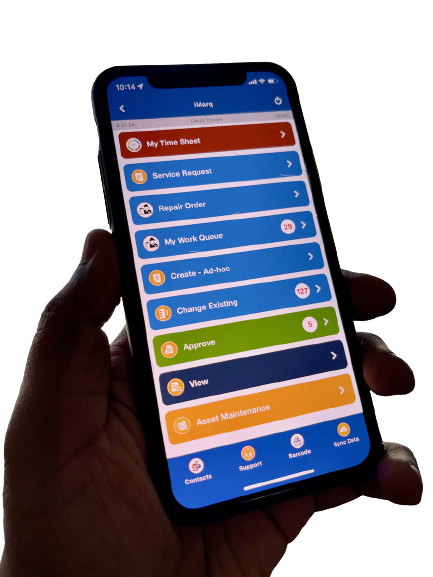
maintenance assistant in fact there is a screenshot there on that uh PowerPoint so he can ask a question um to our ibot
26:36
engine and then it can go to uh uh models out there and then get a
26:43
response. Now in this case we are we have integrated with Chad GPT but we
26:48
have come up with a framework where we want to rely on existing models to
26:54
start with um and also
26:59
come up we have come up with a framework where we can configure these various engines out there right today it is chat
27:06
chip tomorrow it can be Gemini later it can be a customer’s own
27:13
uh model that resides within a customer environment so that our product will be
27:18
configurable enough to talk to any of these platforms out there right models
27:23
out there that is maintenance assistant. The next one is for language
27:28
translation. Now we all know Google translate right now we have to tell what
27:35
is the source language and what is the target language. Now after
27:40
this a engines and especially we are using azure translate for that we don’t
27:45
need to tell what is the source language it understands on its own and then gives
27:51
the translation in translation in English where it is helpful people who speak languages other than
27:58
English can talk fluently and then we record it record it in the sense there
28:03
is a speechtoext option where it types it for them and then we send it to that
28:08
a translate engine. It comes back with English translation and then we store both the text in the source language and
28:16
the text in the um you know translated language right we store it in the system. I should tell you one example
28:23
right where this translate will help again one of our customers out of all
28:28
benefits that um you know he he was mentioning one thing really you know um
28:36
he was excited because hey now I don’t need to go and understand somebody else’s writing right it’s a very simple
28:44
thing I’m telling you it’s when you see when you when you hear about it it’s a very simple thing but in a day-to-day life somebody sitting and reading
28:51
somebody else is writing that too in a different language it’ll be held right so again we have identified again we are
28:59
we are very sincere to what we implement in our product whether it adds value to a end user and also to the organization
29:07
yeah um the the one thing I will add to this and again it just uh leverages what
29:13
uh you you’ve talked about here prau is the one of the interesting byproducts to
29:18
all of this right when people can speak in their own language uh to you know with regard to something
29:24
as mundane as day-to-day as you know how they maintained something or how they fixed an issue
29:30
uh and we are able to capture that and translate it and store it for retrieval in some other part of the world another
29:37
language. One of the biggest benefits we’re seeing as a kind of a byproduct to this is people actually communicate a
29:44
lot more. We are truly enriching data. We are capturing information that is otherwise
29:50
completely lost. Yes. And uh somewhere out there we’ve also prau and I have talked quite a bit about
29:55
what we broadly call institutional IP. So how do you capture that information that knowledge that is so unique to what
30:03
that particular um you know technician brings to the table and before they retire or or
30:09
decide to move on how do you essentially capture that? I mean this is there’s a lot of downstream uh impact and you know
30:15
and I think potentially those benefits might outweigh. Y so let’s uh sort of uh as we went
30:21
through the last couple of things we want to talk about right so why are we talking about open integration a
30:27
deployment and so on now the goal is really uh to give our end users one
30:33
version of truth you know that one platform that can cover every asset in
30:38
the organization. So if you look at it, we truly mean this, right? One platform pretty much for every asset out there to
30:45
be kind of this operating system out on the field for your mechanics, your technicians and your own assets, whether
30:51
these be fleet uh or facilities or heavy equipment and you have use cases on all
30:57
uh in all of these areas. whatever be the back-end enterprise system uh the
31:02
ERP, EM, CMMS, whatever be the IoT or the telematics in place and in some
31:08
instances where there is no backend system there, we actually play the role. Yeah. We are here at the front end to help the
31:15
end user get the work done. Yeah. So the IT is not the challenge. The getting the work done is the challenge
31:21
and that’s what we’re here to help do. Yeah. And also in a nutshell, right? um
31:28
this one platform core features wise right security APIs
31:34
and data synchronization right sync data across systems
31:39
which also we can also do realtime updates right to the systems with all
31:46
these what we achieve unified dashboards you can see data from multiple systems
31:52
in one single dashboard which could be awesome Right. On top of it, there is
31:57
role-based visibility and also mobile and web access. We want to emphasize on
32:03
that because mobile will be used by mechanics and technicians enriching the data. Web will be mostly used by the
32:09
supervisors and managers for appro approvals and managing the exceptions. Right? So we cover all these things uh
32:17
through integration. Go ahead. Okay. Uh so so fundamentally right uh I mean and
32:25
as promised right at the beginning right we want to anchor this in a couple of use cases. I’d encourage everybody to go
32:30
to our website. Uh clearly I mean we we do want to drive traffic but more importantly there are specific use
32:37
cases. There are specific case studies that we have out there. Um so here’s where we’ll touch on a couple of those
32:44
use cases. This is where the good stuff comes in and then we have a few questions flowing in and hopefully we’ll
32:49
have some time to address those too. So uh first again this is uh one of our
32:54
long-standing customers uh from uh uh across the border in Canada uh again
33:01
promote you want to talk about this for a couple of minutes and again more detail available on the web so just
33:07
yes yes I’ll be short satish because we are running out of time I know so uh when it comes to uh you know pain uh
33:14
transport itself right they were using pen and paper to start with and somebody writes on a paper and then they go and
33:20
key it in in their uh EM system. In their case, it’s truckmate. Now what we did is we automated their work order
33:27
creation and associated inspections. Now when I say work order creation, the work
33:32
order with parts, it goes back to what we discussed earlier, right? Uh parts visibility and all those things with
33:38
parts and labor. So uh a mechanic that who is doing his task um in the shop
33:45
creates a work order using his mobile with all these parts that he is consuming and the labor hours it goes
33:51
and updates the EM system and the work order is available in the system and based on that they get paid. It’s as
33:58
simple as that, right? It it goes back to u what is that ROI that the customer is going to get, right? So, it is
34:04
automated. Previously, uh they have to go back key in they miss parts, they miss labor times, they go back, they
34:11
correct, it goes back and forth, right? Now, it is automated through our product.
34:16
And uh a second one again another interesting sort of uh different flavor
34:22
to all of this from public transit within the public sector. Prau do you
34:27
want to talk about this for just a minute? In this case it is RTA um to which we are collect um connecting this is a a
34:34
key customer where the PDF reports right that is generated out of these inspections gets pushed into RTA in
34:42
devote’s approved format. See that’s the key there right so it is they doing maintenance and then pushing the reports
34:50
and all the work order information into RTA. This is the customer who is also using our Ibot um which is the mechanic
34:57
assistant and also the uh translate engine. Now on top of it when it comes
35:02
to RTA we also help them in uh parts consumption and everything. Having said
35:08
that um in case of especially foothill uh the the integration is so much uh
35:16
seamless now for them to
35:21
see how many parts are available across divisions. They log into our product and
35:28
then see what is the quantity that is available in the system. uh which helps them to see uh to have a summary view of
35:36
all the parts availability. So, so again I I think the the one uh
35:42
learning from from this two that we we definitely want to sort of leave on the table for everyone is while your
35:48
enterprise system clearly is your system of record and and things go and reside there and it will be a financial
35:54
accounting all of that in our opinion those are kind of uh you know after the fact and way after the fact too.
36:02
what uh within connected maintenance the way we see it is at least uh the way connect handles this is it is instant it
36:10
is real time for that very moment and this is the best snapshot you can get of
36:15
what is happening right now so um with that said uh you know we
36:22
we we do want to talk a bit more about uh just a sort of a summary about
36:29
what is smart maintenance or connected maintenance looked like, right? So, every team and asset, everything
36:35
connected, but the goal really is deeper predictive insights powered by our maintenance assistant, IBOT.
36:42
Um, greater integration and this is something that I know Prau you and your team are constantly working on. Yes.
36:48
Yes, more enterprise systems, teleatics, IoT and sensors
36:54
and uh in a sense this is uh work management that is automated to the
36:59
extent where the asset will demand that the work has to be done and we are able
37:06
to actually present it to the appropriate technician uh to actually get the work done.
37:12
uh increase uh sorry go ahead go good go sat go a sorry you no no no please
37:18
no just to add to it satish we handle data
37:24
than more data than what an ERP or an EM could handle we fill the gap like for
37:30
example for a specific u equipment or an asset they collect hundreds of characteristics
37:37
right but all this information cannot be stored in an EM system so we fill the cap on that front
37:43
Yeah. Uh so so basically right I mean uh before we jump into questions you know the our vision the goal is really every
37:50
asset every team and every system all connected and operating together. I mean
37:57
this is sort of the goal that uh that that connects to us. This is what we are striving to which then brings us to uh
38:03
we have a bunch of questions sort of showing up here. Let’s sort of uh handle
38:09
those in a second. And I’m going to flip screens
38:14
hopefully. So there you are. We are on Q&A right now.
38:20
Um let’s see. Uh what are the most
38:26
immediate benefits companies see when they unify their data and what takes
38:31
longer to realize? Probably you want to handle that. Um
38:39
that’s a good one, right? See again like we mentioned earlier
38:44
we can handle more than what an EM can handle. That’s the key aspect of
38:51
everything right data gets recorded it gets uh documented it gets stored we can
38:57
run analytics and report on top of it. Now ne next is auditing and compliance
39:03
right we can with whatever data that has been collected we can not only generate
39:08
reports in uh do specific formats that can be pushed into the ERP and EM
39:15
systems change um management right any
39:21
changes that comes on our way because the product is configurable because our integration layer is configurable and
39:28
also we work with standard APIs the change management becomes simpler for us.
39:35
Um I I want to address this question of what typically takes a longer time to realize right
39:44
the more data in the system the better I think uh the the output becomes
39:51
in terms of patterns that can be detected in terms of aspects related
39:56
even to HR and training right why is division one always performing better on
40:02
first-time fixes than uh division 2. You know, why is some particular location
40:10
doing uh a 2x better job in what they are supposed to do in terms of maintaining equipment uh in the month of
40:18
February than a different location. So I think it it sort of teases out a lot of things um
40:26
that we may otherwise not simply be able to absorb and come back with. So I I I
40:32
think that sort of is the longer term impact uh in areas yet unknown. I mean I
40:37
I don’t think we can even predict might go as far as you know what kind of training, what kind of certifications
40:42
have to be done and so on. Um here’s another question I’m seeing pop up here.
40:48
Uh there is this point about integration pu that uh you talked about I talked about. Uh so okay the basic question is
40:56
it really easy? Our system is pretty legacy. See yes and no right I wouldn’t say
41:03
integration is I I wouldn’t categorize that as easy but it can be done it can
41:09
be seamless um if you are having a legacy system right and if you don’t
41:16
have an API layer available we will be able to create one for you right so
41:24
I it depends on how complex your environment is so I don’t want to sugarcoat it but overall if there is an
41:31
EM system out there where API layers are available it’s easy I’ll tell you that
41:37
right now when it comes to a legacy system and if you don’t have an API layer then it becomes little complex but
41:44
again it depends on how complex your system is but end of the day we will be able to connect and integrate
41:52
so uh here then is I think one that I will be able to take up right
41:58
away I I have some idea but how has IMAR been deployed? This is connect our
42:04
platform been deployed for the rail and transit industries. I imagine those needs are pretty complex and specific.
42:11
The short answer is yes complex and specific.
42:17
But what I believe uh has been engineered into the platform, this open architecture genuinely allows
42:25
us to be able to configure and we use the word customized with caution. But
42:30
from an end user standpoint, it is highly custom to what they do and how they do their work on a daily basis. But
42:37
broadly speaking, the configurability of the product allows it to be adapted to multiple verticals.
42:43
Yeah. Yeah. So, Prau talked about uh public transit and for example or the trucking industry
42:49
and DOT or rail freight and the FRA requirements, right? And there are
42:55
similar requirements in Canada, similar requirements in other parts of the world. We are able to meet those not
43:03
just from a compliance standpoint, we are able to also handle language requirements,
43:08
multilingual language requirements. um with several of our customers they need those but that’s just how it is
43:14
presented right there are specific use cases that we can talk about and we have entire
43:20
presentations and webinars we’ve done just talking about one of these and there is enough articles so again uh
43:27
there is more specific information you want please do forward to us but the short answer to your question is
43:32
requirements are complex and specific we’ve been exceedingly good at meeting complex and specific requirements within
43:39
industries uh one data point I do want to share. So one of our customers in the rail
43:45
industry rail maintenance of way for example uh the spreadsheet that had about what
43:51
5,000 lines right that’s basically what we are tackling I mean this is 60 or 70,000
43:58
tons worth of equipment that is essentially being used on a daily basis being stripped down and rebuilt and so
44:04
on. So that’s that’s the complexity we can answer. Correct. And again the config
44:09
configurability plays a key role especially in the rail industry because satish that equipment types are
44:14
different. There is a rail car, there is track, there is u uh switch and frog
44:20
signals all those things right. So configurability um is the key here. So,
44:26
here is an interesting question. U probably the maybe the last I think I’m
44:31
already getting an indicator that we’re running out of time, but is anyone using AI to analyze part utilization on a
44:39
fleetby-fleet basis to determine parts life cycle andor using AI to identify when specific
44:47
assets have repeat parts failing prematurely? So the idea is really uh prau goes back
44:53
to a large extent on um the use of
45:00
components or parts the inventory that goes into the maintenance yes how it is surviving I mean how it is
45:06
sort of see um I’ll tell you this right one is with our existing customers is somebody
45:11
using our a engine to predict that no the answer is no but but having said
45:16
that what we are trying to automate ordering of parts based on the monthly
45:23
usage and what we are trying to also achieve is not only just monthly usage,
45:30
seasonal usage, right? So bringing all these things together and then
45:35
predicting predicting that this part is going to run out in certain time frame
45:42
and then taking the lead time that is required to purchase that part. So that we calculate all these things together
45:49
and send email alerts to parts department. I think I touched upon this earlier. We send email alerts to parts
45:55
department saying that hey it’s time to order parts. So that’s the use case that we have implemented.
46:00
So if I can slip a bit into uh some math here, right? So the first uh conclusion
46:08
we can come to out of patterns of consumption is you know are you going to you know run out of parts
46:16
uh you know required for maintenance. So that’s sort of the first degree you know that we can of of conclusions we can
46:22
actually arrive at but sort of speaking the next differential right is why are
46:28
we actually consuming these parts are they failing more in these locations where are they being
46:34
used all of this really goes back to having adequate data in there to
46:41
actually tease out those patterns so to answer this question I you know I wish I
46:46
could give a specific specific answer to say you know what you know XYZ customers are using this but in general right the
46:54
law of large numbers applies here we do want to see a year 2 years or 3 years
47:00
worth of data in order to figure this out because anything with a smaller sample set will likely provide incorrect
47:07
information. Um the one of the best examples that uh we can give and we’ve actually tackled
47:13
this in the past too. Uh your system is great at telling you when reorder point
47:19
is hit. Uh so it will tell you hey you know reorder point has been hit so you know
47:24
order more parts. Where we are going is now to say that hey what is the rate at which the reorder point is being hit. Is
47:31
this normal or are we seeing this happen more frequently?
47:36
That pattern is what we are trying to get to. And then the second layer below below that is why are we hitting that
47:42
pattern. Is it because you know more rains you know uh you know brake pads
47:48
are failing more or is it simply because bad driving? Is it simply because there’s more stop and go the traffic is
47:54
poor needs better routing. So that’s really where it goes. And it may be new equipment that is introduced, new fleet
48:00
that is introduced uh into service that requires this different um and I
48:06
promised the last comment on this right for example in the case of fleet whether it is public transit or uh you know
48:12
private you know carriers there are new
48:17
types of uh you know vehicles being introduced so EV and so on. So even the
48:24
type of maintenance required there is actually changing. So again, in order to detect those kind of patterns, we would
48:30
recommend at least 3 to 5 years worth of data before you can arrive at any kind of a conclusion.
48:36
I absolutely have a drop dead uh announcement from marketing saying that we need to stop now. But again, truly
48:43
appreciate it. We’ve as always we’ve enjoyed uh sharing ideas and talking through this. Thank you so much for
48:48
everybody’s participation. Please do feel free to reach out to us if there is more questions that we can address,
48:54
anything else we can talk through. But otherwise, Pu is always fun doing this and uh
48:59
yes, thank you all for participating. Truly appreciate it. Thank you. Nice meeting you all. Bye. Thank you. Bye.