Webinar

In Conversation with Connixt – The Past, The Present & The Future

About this webinar

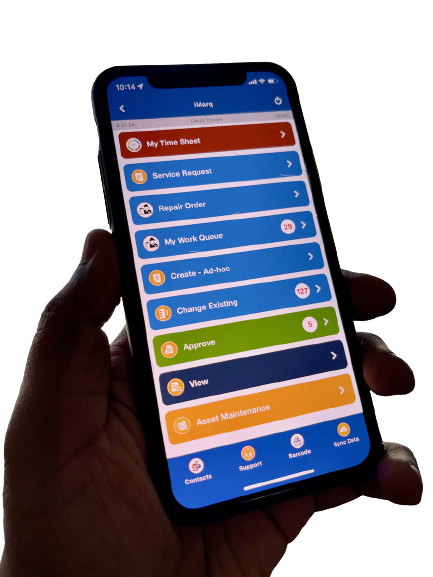
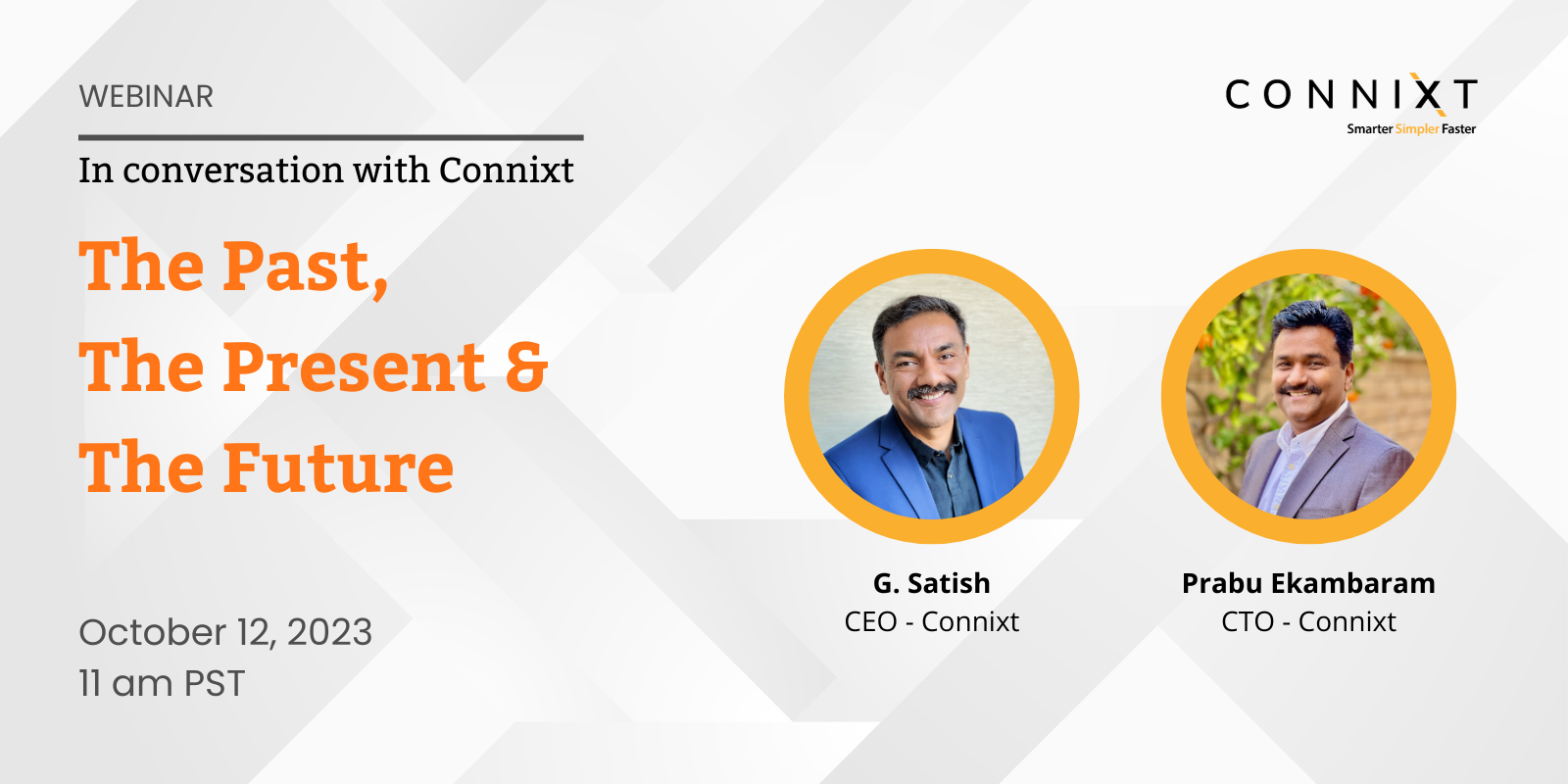
A one-of-a-kind fireside chat with Connixt’s founders, G. Satish and Prabu Ekambaram, where they discuss everything Connixt from the essence of Connixt’s DNA to the future of iMarq.
Product Webinar
Date : October 12, 2023

Speakers

G. Satish, CEO, Connixt

Prabu Ekambaram, CTO, Connixt

0:10
hi everyone thanks for joining us on today’s webinar um we’re just going to
0:16
give uh other attendees and participants a few more minutes to join us so uh
0:23
while we wait let’s just take a moment to get familiar with the platform you can find the chat box or the question
0:29
box you know please pop in your questions and uh it’s usually down at the bottom and we’ll address those as we
0:35
uh get going uh so in the meantime let’s just give everybody maybe another minute
0:40
or so before we get started
0:58
again
1:07
so I closed all my other applications s perfect foru so we’re going to get started in maybe about another 20
1:16
seconds or so and then we’ll get going it’s like launching a rocket
1:22
countdown starts now way
1:28
no and uh I see we’re filling up to also so
1:33
this is good so great I’m um I think it’s time
1:39
to get started so uh welcome everyone and let’s Dive Right In so uh most of
1:46
you here know by now know pru and me and you know there is more on uh LinkedIn I’d
1:53
encourage you to go and look us up there so this is kind of an unusual webinar we
1:59
do we usually talk talk about what we do our product or we feature our customers and uh this is the first time
2:06
we’re actually not talking so much about the what but about the why behind Conex
2:12
the question of why we do what we do and you know we want to sort of talk through the DNA of Conex you’ll hear that word
2:18
you know quite a few times here so talking of DNA first uh Hey
2:25
pru we’ve known each other I hate to say this since the turn of the century
2:30
so 23 years is a long time in Enterprise software so pru please if you can speak
2:36
a few words and then we’ll get going sure thanks saes in fact we both are mechanical
2:41
engineers u in fact I started my career uh working for a leading truck Manufacturing Company um and became an
2:49
SCP consultant and then we started this um one thing in common uh between both
2:54
of us right myself and saes we we are engineers and curiosity that was always
3:02
been there with us saes what do you say I I entirely agree I think engineering technology and I guess the Curiosity
3:09
about what else can be done I also like to say that the one other thing that is common U which a lot of our customers
3:15
have heard to is uh I think we both enjoy the smell of diesel oil and workshop yeah what it is worth yeah
3:22
that’s one of the things that actually very true very true um so a little bit
3:28
about uh uh about the origin and in fact there’s a whole blog pru and I wrote
3:33
about a year ago you know on the origins of Conex I mean we wrote an origin story
3:39
Tes we should have taken a picture of that Starbucks you know yeah the Starbucks where we met
3:46
first it is there in the blog by the way oh okay okay nice okay still up and
3:51
running but um I think the core idea here is being uh smarter simpler and
3:56
faster I mean this is really what we focused on and we TR to stay true to that um a little bit of context here so
4:04
our background pru and I first came together at a company that I was a co-founder of and pru was one of the
4:10
founding employees and our prior experience was all in the client server world that company was based on that and
4:16
uh I still remember one of our Fortune 500 customers was migrating our
4:22
application uh to a new environment and uh our product in the previous company
4:28
was running across uh 32 servers and it had gone through a yearslong deployment
4:34
a lot of testing and training and I think the goal really was to see if
4:40
there is a better way to do this if there’s kind of a different way to actually do this whole thing U so pru
4:46
you want to add a little bit more cont sure in fact um we knew
4:51
what that was a good experience that we had uh with our previous uh um product
4:58
so see there were some some main key aspects we discussed in fact sitting at
5:03
that Starbucks we discussed these things to start with we wanted a product that is simpler smarter faster so that we
5:12
emphasized down and also cost to customer should be low because we faced
5:17
so many occasions where uh the customer has to you know invest a lot of time from his side from their side uh to
5:24
adapt a product so we want to make sure the cost to customer is low
5:30
and also we want to extend and augment their existing environment like coexist
5:36
right uh non-invasive kind of a solution where again the resistance is less
5:42
adaption is more at the same time it should add value if if in fact all
5:48
through the uh you know discussions you will see we we emphasize on adding value if there is no value add we don’t get
5:55
into it um and also when it comes to again deployment we wanted it to be a a
6:00
rapid deployment and uh on an ongoing basis we want to have less um um uh
6:07
touch points on points of failures and also uh last but not the least right
6:13
from the beginning we wanted our product to be configurable and generic and Erp agnostics so that again it goes back to
6:20
coexist extend and augment saes yeah and and I think again there is some of this
6:27
on our website too and we’ve talked about this extensively what we really did was to break the idea that
6:34
enterprise software is slow and hard to deploy it always ends up over budget and
6:41
most important of all no one likes what they get at the end of it and certainly not the end users so we truly wanted to
6:47
build something that was system agnostic that could work with any backend system and we’ll talk a little bit more about
6:53
feature functionality and design approach and all of that but this is sort of where we started out right I mean I think somewhere in our website we
6:59
even say um you know it doesn’t have to be an open checkbook when you when you do an Enterprise deployment so I I want
7:06
to talk a little bit about the opportunity we saw back then so early 2010s uh those of you that can rewind it
7:13
was all about social media consumer apps um and the goal really was to see it was all consumer uh pru and I uh back at
7:21
that Starbucks you know we saw an opportunity in B2B we really were looking to see that uh to to figure out
7:29
how cloud and mobile could impact um Enterprise applications so that’s really the core of DNA right the DNA of this of
7:37
the of the conx product the the conx environment that as a business has been
7:42
uh this is truly uh how do we adapt uh cloud and mobile into this uh into the
7:49
Enterprise model so that really is been our focus and I’ll keep going back to this concept of DNA over and over again
7:56
prau if you can talk a little bit more to that sure yeah in fact the the last
8:01
one right software that users love we are sincere to that um in fact um you
8:09
can go and talk to our customers even today uh end users who love our product
8:14
so um truly make the life of the end user to be easier not you know basically
8:21
complicating his um existing process also uh we made sure that the app is
8:27
simple enough and the solution should not even say app uh the solution is simple enough where it should not even
8:34
require a complicated user manual right so it should be so easy and straightforward we’ll touch upon that
8:39
little later but again we want the app to be again going back to simpler
8:45
smarter faster Satish yeah exactly and in fact one of my favorite by lines is
8:51
always that um we never need user manuals for any of the other consumer
8:57
apps we use right I mean we download an app to book you know for movie tickets or whatever else we do we never need an
9:02
app so why should it be any different why should it be any harder for the same user when they start doing something in
9:08
the Enterprise world uh and the other thing I always like to say of all the feedback we’ve had over the years not a
9:16
single end user not a single customer has ever come back and complain to us that hey this software is too easy to
9:22
use you know make it harder so I mean this really has been part of what has driven us so which kind of leads us to
9:29
what are the guiding principles and I’m actually proud of one thing pru and I truly actually believe in this and uh
9:37
and we’re actually going to uh to to know more and and see see some of these things as we go forward we laid this
9:43
back down in 2015 when we started connects I’m proud to say you know we follow this uh to this day and we
9:50
haven’t really changed any of this couple of things I’ll talk to and then pru can talk to some of the others one
9:56
if we can’t add value we will walk away respectfully from any customer situation
10:02
uh and the goal really here is that we don’t want to U go somewhere and
10:07
especially as a young company it is tempting to take money to do things that are not part of our core product and we
10:13
don’t do that there is no throwaway development which is why we don’t
10:19
develop we don’t deploy anything that is quick and dirty this is all about high configurability and that sort of drives
10:25
what we do we tell all our employees every one of the the the development team members that every line of code has
10:32
to add value and has to be something that a customer sees value in and uh the result is also that we never sell half a
10:40
product to those of uh you know I I see some of our customers here on this and a few of you have actually deployed Pilots
10:47
with us uh this is something we are very consistent about we never deploy a pilot which is half a product yes you don’t
10:54
sell half a car without the steering wheel and say well you’re going to get the rest of it later when you pay for
10:59
the full product because there is not enough value that is driven in that case and the result is also then that once
11:06
you have a limited deployment of pilot the jump to production is really quick and that can be done prau yeah um in
11:15
fact little bit dwelling deeper right uh from the design philosophy aspect of it
11:21
right I give you some examples um we want to make sure a user should get to a
11:26
screen or a transaction in our app in our solution within two to three clicks
11:32
because we know how difficult it is uh with other Solutions out there where it requires at least five to 10 clicks
11:38
right so we are very conscious in designing each and every functionality of the product going back to our you
11:45
know uh Mantra where it is like it should be easy to use and we don’t add
11:51
anything in the product for the sake of the technology we truly believe in organic growth of our product unless
11:59
there is a value add like Satish already mentioned we don’t add it to the product
12:04
a true organic growth in fact we sit across the table um for deciding on the
12:09
product road maps and future functionalities and things like that we make sure that is a value ad we don’t do
12:14
it just because everybody is doing A and M ml we don’t want to do it unless that
12:19
is a value ad unless it makes sense in fact we are getting into a we’ll talk about that little later now when a
12:26
requirement comes from the customer right we take it in there are occasions
12:31
where we walked out of certain requirements saying that we don’t play in that area also we try to standardize
12:38
and then try to adapt it and then fitting into the uh road map so no throw
12:44
throwaway work to emphasize we made our product to be Erp agnostic so that if
12:50
there is a functionality or or or a a specific process that is handled by an e
12:57
system we leave it to the system um so just to reemphasize which Satish already
13:04
told no value ad we don’t uh we don’t add it to the product no throwaway work
13:10
we are true to that specific thing where in fact you know being a startup company
13:17
and all those things right um we don’t want to do throwaway work we don’t want to you know waste our resources so um it
13:24
also you know gets into that area so U uh we are very conscious in what we want
13:30
to add in our product and that we always follow Satish yeah so again I I think so
13:38
where did all of this lead us right I want to talk about you know how we started so we we basically said the you
13:45
know the focus is on making life easier for the crew the mechanic the technician and so on first customers were in uh in
13:52
public transit energy and utilities uh again characterized by distributed
13:58
assets and distributed Workforce right so things that took people away from the
14:03
back office out to the field or to workshops and so on and we spent a lot of time studying what a lineman and a
14:10
utility does you know they climb up poles you know they dig ditches to lay pipes mechanics and workshops and so on
14:16
and there is a direct correlation to some of the feedback we receive then to feature functionality in the product
14:22
itself and someday you know if any of you is interested in knowing more do engage with us we can actually talk to
14:27
you specific features that came out from some of those discussions and then I think it is fair to say that we focused
14:34
on the biggest complaints that they had you know when when you talk to end users you know the backend system is too hard
14:39
to use it is not user friendly um the reports are hard to generate systems are
14:44
too rigid it costs a lot of time and effort to modify you know huge it impacts and most important of all I
14:52
think the biggest complaint we have is this stuff does not make life easier for us I mean this is really what we were
14:58
trying to address yeah and that led us to some design you know paths that pru can talk
15:04
a little bit more about yeah so um going back to our um you know the previous U
15:11
message where coexisting in a in an environment right so we went Cloud
15:16
mobile so that we can extend an augment not only that we consciously decided to
15:22
go with Native apps uh when I say native apps our our our mobile application is
15:27
not a hybrid version using HTML 5 and so that you know it can adapt to Android
15:33
and iOS those are dedicated native apps which our end users are using because we
15:39
did a study we we did uh you know develop an hybrid app to and user
15:44
experien is far far far far better when it comes to Native apps like for example we have we introduced signature right
15:51
from the beginning right so that they can click and sign on it speech to text options we introduced where you know
15:56
user can talk to the app so that it types it for them uploading images with
16:01
annotation and then basically having open apas integration with external systems and things like that right and
16:07
mapping software all these things U requires our application to go out and
16:14
then come back in so that seamless transfer between layers uh was made
16:19
possible uh by native apps so um even though in fact uh you know that that put
16:25
a little bit overhead on our side you know we want to make sure the user experience is far far better last but
16:32
not the least we also right from the beginning made sure that the the the product and the platform is scalable and
16:39
we have proven it um by by adding customers we don’t add resources that’s
16:45
the key aspect and you know that helped us a lot in many occasions so a truly scalable uh platform with Native apps
16:53
Satish so so again this leads us back to you know that that that phrase that I
16:59
keep using DNA right so the code really here is this make it ridiculously easy for businesses to digitize their
17:06
processes no matter how complex and whatever be their backend system and we
17:12
designed with the end user in mind the and and and you know we really talked about what their experience had to be
17:18
and to be frank we said you know that the integration the technology you know the integration of the backend system
17:24
that’s the easy part which we leave to brilliant folks like pru and his team so so to paraphrase something we’ve all
17:30
heard before right for your back office and the boardrooms you have your Erp and E Systems for everything else there’s us
17:36
so this is really how I looked at it yeah yeah that’s a good way of putting it that’s good
17:43
yeah inspiring so so so I want to talk a little bit about where we are today you
17:49
know the true test of scalability um you know of the product and the platform is really how easily we are able to add
17:56
feature functionality or also move to other words itical so our products have found use within all levels of the
18:02
organization today above and beyond the crew you know for example we go to safety and compliance sustainability is
18:09
a big part of what some of our customers have focused on so the key here is uh we built a product that is uh
18:17
extensible and I call it fertile right you know the ability to make it easy to move across new Industries and new use
18:24
cases for instance uh if you look at oil and gas uh the biggest challenges there
18:30
relate to lack of visibility in the field where there is no connectivity we already support the offline mode and out
18:37
of the box and therefore it becomes easier to adapt and Implement same goes for reporting and dashboards and and new
18:44
mandates and other required reporting prau perhaps you can talk a little bit about some of the features too yeah that
18:50
was also a key aspect right that’s a good thing where you mentioned it saes uh you know we introduced a uh web
18:57
version of the product in fact in fact we had the website right from the beginning but we we kind of tuned it in
19:02
such a way that you know managers and supervisors can use our product to generate U uh reports basically
19:08
analytics and Reporting um and approval processes and creating um uh the the
19:14
field data using the website and things like that and we introduced offline mode uh and we are talking about the present
19:20
right because we had the app it was all running fine uh which satisfied our customers and we learned from what uh
19:28
from our end users and we started in introducing multilingual capabilities um
19:34
uploading audio files video files uh geotagging any reports and adding work
19:40
instructions this goes back to usability of the product right uh when a user uses our solution they don’t need to carry a
19:46
user manual of the maintenance task I’m talking about the maintenance tasks work instruction not the apps in work
19:53
instruction so so again we we we started introducing those and making again the
19:59
the end users life as easy as possible we also introduced a new module which
20:04
was a request from one of our customers uh it goes back to our organic growth where you know um we made sure that it
20:11
fits in in our vision of uh this product and we introduced warehouse management and uh Parts management right warehouse
20:18
and parts basically we can simplify it that way because see our appus was doing
20:23
maintenance and then uh the customer requirement was hey I want to track my parts usage
20:28
we thought okay good we were also having plans to get into wouse management as part of our product road map so we
20:35
brought it in we introduced a new module uh with handling basically the inventory
20:41
uh so we introduced that to and all along all along we expanded our
20:47
footprint uh in such a way that build enough apas out there so that we not
20:52
only can generate reports with the data what we have we can also expose the data
20:59
based on customers need so that they can consume the data and and then do whatever they want to do on their side
21:06
so a true open architecture uh started blooming um with with our product uh
21:13
growth Satish so uh just a little bit towards uh looking at where we are you know in
21:19
the future so we’re moving towards other verticals and other geographies while continuing to expand where we are and
21:26
again the key here is a distributed assets or heavy assets um you know or or
21:32
movable Assets in the field and or where the work is done in the field or some
21:38
combination thereof additionally we are adopting some of the same principles of ease of use ridiculously easy deployment
21:45
to also fill in gaps in backend system functionality so this is sort of core to where we are and and you will see more
21:52
announcements uh as we go forward into some of the other verticals we working in uh in fact you know um just to add
22:00
you know when getting into other verticals right for us the jump is uh kind of little easier uh
22:07
because like I mentioned earlier we made the product to be a truly configurable
22:13
product and it can adapt um um in the sense where in fact you guys can request
22:19
for a demo we can we can get into the product itself but since the product is uh uh configurable um based on the
22:27
customers need jumping to these additional verticals uh is kind of easier for us of course we have to spend
22:33
some time on uh the processes and things like that but from the technology side we made it configurable not only that uh
22:40
when it comes to Future right uh we started integrating with additional eam
22:46
systems we expanded our footprint with uh footprint with the iot devices which is basically the telematic devices right
22:53
out of the box we support geotab samsara and go motive and all all these additional systems that we connect helps
23:00
us in automating the maintenance and which organically led us into AI based
23:07
uh true automation when it comes to maintenance that is our Target and because you know we want our solution
23:14
not only to you know perform their maintenance tasks on a regular basis we
23:20
also wanted to decide or give suggestions to the user uh to the
23:25
customer based on how the equipment or the asset is uh used or utilized right
23:33
so we want to bring in U Parts ordering as part of our a offering where uh it
23:39
can automatically order parts based on the consumption P pattern based on uh the reorder points also do some
23:46
proactive and predictive maintenance based on again uh how the equipment or say for example truck right how many
23:53
miles it runs on any given month and you know you can extrapolate things so uh things like that we have we have started
23:59
building into our product so that pretty soon again like Satish mentioned you’ll be hearing about our iBot and all those
24:05
things but we are building an AA framework where it will help our customers to decide or give suggestions
24:12
because again end of the day it’s it’s a it’s a it’s a system right so it’ll give suggestions to the customer so that you
24:19
know he or she can go ahead and take a uh uh uh informed decision uh
24:26
Satish um I think again it goes back to that phrase and prau pretty much owns
24:31
that phrase in Conex which is you know organic development or organic growth for the product um a quick word on
24:38
Partnerships I mean this is a select set of Partnerships sa before you go there one thing I in the previous one um in
24:44
fact I was talking about you know Ai and I got carried away so we are also
24:50
introducing our new modules which is procurement and scheduling um it’s already in Works uh in the sense where
24:56
design is in place so uh we will be introducing uh modules related to again it goes back to Parts
25:01
ordering procurement and scheduling good s sorry so to those U you know attending
25:07
here and others you know there will be more announcements and you know we hope to do a couple of more of these um on
25:13
each of these areas as we go forward so a quick word about the Partnerships we
25:19
have these are a few you know that span Enterprise applications iot sensors
25:25
telematics and so on and the key here again it goes back to something prau talked about which is resources right so
25:31
we’re not doing Partnerships for the sake of press releases and you know announcements yeah in more or less in
25:38
each of these cases we have customers that have actually gained because of these Partnerships so to to us truly the
25:45
measure of success again in these Partnerships has been is this a win-win for the customers and we’ we’ve done our
25:52
best to stay true to that because there are you know some Partnerships it all it takes is throwing some resources and you
25:57
we can get it done but we’ve actually done it based on actual customer cases and and
26:02
requirements um so what does all of this mean right I
26:09
mean the end of the day as we sort of went towards the end and I’m already seeing some questions pop up there’s any
26:14
questions please add to this I I think the core
26:19
question we seek to answer here at Kix is are we making life
26:25
easier for the technician for the me mechanic for the end user yeah uh to us
26:32
the technology is great as I said there are brilliant folks uh you know that
26:37
starts with pru and and his team that work on the technology and make it work you know that’s never in doubt for us
26:45
always the true measure is an adoption rates and what that simply means is that
26:51
high adoption rate is simply a proxy for a this is something that the end users
26:57
find EAS easy to use it does make life easy for them uh it they don’t need to
27:03
become technology experts to start using our product all the things all the
27:08
complaints that they might have about Enterprise applications or anything else on their day-to-day basis that is what
27:14
we try to address so really it goes back to high adoption rates and you know we keep sort of going back to this over and
27:21
over again with all of our applications uh PR do you want to sort of add anything to this before no we pretty
27:26
much covered s um we want uh to make the end users life easy it’s it’s as simple as that so I think I think pretty much
27:33
so again goes back to DNA and and what we talk about you know all the time here at Conex yeah so that sort of brings us
27:41
to uh Q&A and again uh we already have a few here we probably have just a couple
27:46
of minutes to address some if there’s anything else please do drop these in so let me uh read the first one um isn’t uh
27:55
isn’t going with Native apps a bigger overhead isn’t it simpler to use hybrid or HTML 5 so clearly someone
28:03
that is from the technology aspect of all of this so prau why don’t you address this please sure sure that’s a
28:08
good one um and good that you know they asked this question so yes to to answer
28:14
your question yes it is uh a overhead on our part as a product company um yes we
28:20
have to uh maintain uh both IOS and Android uh but but like I mentioned
28:26
earlier we did uh invest some time on uh having an H hybrid app to make you know
28:33
our life easier but the user experience was far far far far better when it comes to Native apps I’ll reemphasize on this
28:41
uh you know functionalities like speech to text scanning a barcode um uh
28:47
locating a task geographically and getting directions and getting to that specific task for performing it all
28:54
these things can be done within our app so uh in fact for performing it we need to
29:00
go out and come back in so those seamless transfers kind of thing and when you click on a button you want that
29:06
button to be you know moving to the next step in the process right so each and everything was measured and we clearly
29:14
um found out that native apps is the way to go and even though it was additional overhead for us we went with Native apps
29:22
so it was a conscious decision that we took great uh I I really can’t add much
29:27
to that I mean it’s it’s a clearly uh long discussions things that we have actually discussed in the past so great
29:35
um I do so there here’s a second question um I see a couple of raised hands it’ll be great if you can pop your
29:43
question into the Q&A if you could that would be fantastic um I so this question is oh
29:52
why Conex why not incumbent Enterprise vendors mobile apps so so let me take
29:58
this one first uh and again this is a question we frequently encounter um you know when we go out
30:04
there and I usually point to Three core great reasons and there’s a fourth one
30:09
that is not so flippant and I’ll come to that last but but the three big ones um we really don’t have to know who
30:18
your incumbent enterprise system vendor is you know who your Erp or E providers we don’t have to know who it is we don’t
30:24
even have to go and look at their feature functionality Matrix nothing uh but without knowing any of that what
30:31
we can tell you today is that from the perspective of total cost of ownership um ease of
30:37
deployment user adoption rates which again if you remember I said is a proxy for will your users be able to use this
30:45
you know will they adapt this as if as as much as you would like to on all of
30:51
those counts We Stand Head and Shoulders above whatever incumbent Enterprise vendor application you at no question
30:58
about it anything you point to I mean Head and Shoulders we are above that and that’s something we are proud
31:03
of the second um aspect I do want to point to is
31:08
this um one um we have
31:15
really said that if you’re let’s say you use incumbent you know enterprise system
31:21
a and they provide a mobile application so that actually integrates really well
31:26
with their own mob app what if you their own enterprise system what if you have a
31:31
different financial accounting system will the mobile app vendor you know mobile app from the first vendor
31:37
actually integrate with the second one the answer is typically no I mean if I were then I wouldn’t really accommodate
31:43
that right so we do have customers who have who track their maintenance on one
31:49
side and then we have uh other customers who use U financial and accounting on on
31:55
the other side so we are actually able to integrate with more than one system as they migrate as they upgrade as they
32:01
do all of these things um I think uh these things sort of become more evident
32:08
that we are not just one trick pony that uh that that that I think can do a lot
32:14
more than just be this one thing uh and the third and uh and most important of all you deserve Choice as a customer you
32:21
don’t uh want to go to the one mobile app that your one uh vendor go and
32:27
assume that this is the best that we actually uh have here so I think this is
32:33
really critical that you understand you know evaluate us take a look at what we do take a look at what somebody else
32:38
does yeah we’re happy to submit to that PR do you want to add to this because I know we’ve talk a lot about this yeah
32:44
just quick couple items right which you already mentioned saes but user
32:50
experience highly configurable open architecture we can do more than what
32:57
and E eam can do it’s like again extending and augmenting right so we can fill the Gap and that we achieve it um
33:04
by having a configurable product and when it comes to user experience native apps plays a vital role there so we are
33:11
pretty confident that our our app is more or our solution is more uh user friendly Sati yeah um and and the last
33:19
one and I said this is a bit flippant but uh this is true um you know including in the previous company pru
33:25
and I were associated in right this is a typical question that comes from uh from
33:30
prospects from folks that are evaluating us they say well hey you know our Erp am system vendor is this billion dollar
33:36
Corporation why would we ever want to buy something from a young from a small company like yours and I uh usually say
33:43
this and I you know those of you that are my customers have probably heard me say this here and and you know Brau and
33:49
I are proud to actually offer a sell numbers on our business cards uh to all our customers yeah and I usually say
33:56
this that hey uh absolutely you know we are a much younger company a much smaller company than your Erp vendor
34:02
what I would like for you to do is here are our cell numbers do go and find out if you can actually uh get the cell
34:08
numbers of the founders of any of those companies if you’ll even be able to get a minute of their time to actually talk
34:14
to you this is really I mean as I said it’s only semi flippant uh what what I’m
34:19
saying here is that our commitment to the customer success is high this is
34:25
something that we believe in very strongly and uh you remember we talked
34:30
about the guiding principles and all those have not changed for us over the last eight years and I don’t think they’re going to change as we go forward
34:36
so this is I think uh you know I think one of the key aspects uh that drives Us
34:42
customer Delight is what we are actually aiming for and we don’t frame those guiding values and put them on any of
34:48
our offices any of our rooms but we believe in those very strongly um I do have a couple of other
34:55
uh things of well this is very nice uh let me read out uh you know this is from
35:01
one of our customers Steve Steve Hughes from fluke uh I’m going to read this out
35:06
verbatim I did not have a question but wanted to say to any of the potential customers on this presentation that from
35:13
a user perspective our technicians have found it very you very easy to use with
35:18
no issue whatsoever Stephen thank you so much this means a lot yes it does it
35:24
does I I I do want to go back to this uh where we started this webinar right we
35:30
are trying to address why we do what we do yeah and I think this is one of the
35:35
big reasons why we do what we do yeah this truly to us means something and uh
35:42
we have customers that do testimonials for us and all this Stephen truly appreciate you joining us here and and
35:48
coming in here uh hey I had one other last question and then we’ll wrap up with this how did you land your first
35:55
customer that’s usually the hardest one so uh I I
36:03
think no question I think it is one of the hardest ones actually to to actually
36:08
focus on um I want to say that when we
36:14
did land our first customer and there is some details uh you know we can I can’t go into in specifics right now but the
36:22
one thing that we did have going for us when pru and I uh did a first round of presentation ation to that customer
36:27
we’ve had customers from the first quarter of our business yes we’ve we’ve
36:33
never had a time when we did not have customers so from day one you know we had customers I want to say every
36:39
succeeding day we are the biggest we’ve ever been you know compared to the previous day so again thanks to our
36:44
customers and to our team yeah uh I think more than the PowerPoint more than
36:50
the presentation we did I think they understood the vision of what we were setting out to do besides that uh we
36:57
also did have a rock solid background in Enterprise applications enterprise software very true so I have nothing
37:03
against high school kids but at least the customers understood we were not a couple of you know high school kids
37:09
trying to build a mobile app a mobile app really is not the is is not the most difficult part of what we do you know
37:15
creating mobile applications is is is or or digitizing a form is not what we do
37:21
but understanding the enterprise process understanding the nuances of what goes on after the app is deployed the
37:28
processes you follow the backend systems um we were fortunate that we had
37:33
um a couple of really uh outstanding customers who understood our vision who
37:39
had the faith in us that we would deliver and we did I mean that’s sort of I I know it doesn’t give a perfect
37:46
answer but uh I think that’s as good as any pru anything else you want to add to
37:51
that no you pretty much covered it saes um thanks to all our customers that we should say yes so uh again I do I know
37:58
we do have a few more questions I promise you we will get back to you uh in some uh detail on these or feel free
38:05
to reach out to us through the web or anywhere else uh you know or on LinkedIn please happy to address and before
38:13
you thanks Steve thank you very much I’ll call you than yes of course um so
38:21
again thank you all for your participation today uh this was fun for pru and me I mean this is
38:27
uh we had these conversations fairly frequently uh and I think uh we evaluate
38:34
what we’re doing versus uh you know what we’ve set out to do and this is in all sincerity we try to do this every time
38:39
so uh this is I hope this was as much fun for those watching as it was for us
38:45
um so some minor housekeeping too for everyone watching um you know we will send uh recording via email it will be
38:53
hosted on our YouTube channel youtube.com Conex and on our website and
38:59
of course do follow us on LinkedIn subscribe to our newsletter and stuff hopefully we’ll do a few more of these
39:04
uh you know as we go forward and thank you all so much for your time today and pru thanks as always
39:11
sure thank you all bye

Trusted by businesses,
loved by crew

From the Blog

The Future of Rail Safety Moving Toward ATI
Rail

The Future of Rail Safety: Moving Toward ATI

Discover how Automated Track Inspection (ATI) is transforming North American rail maintenance. This article explores how ATI technology enhances track safety, meets new FRA standards, and protects workers by shifting from reactive repairs to data-driven proactive maintenance in 2026.

Read More »
iMarq

See how iMarq can transform your organization

You can be up and running with iMarq in just 4 weeks!

Tell us your organizations landscape today, send us your documents and business processes and we’ll set you up  with a tailored instance of iMarq!