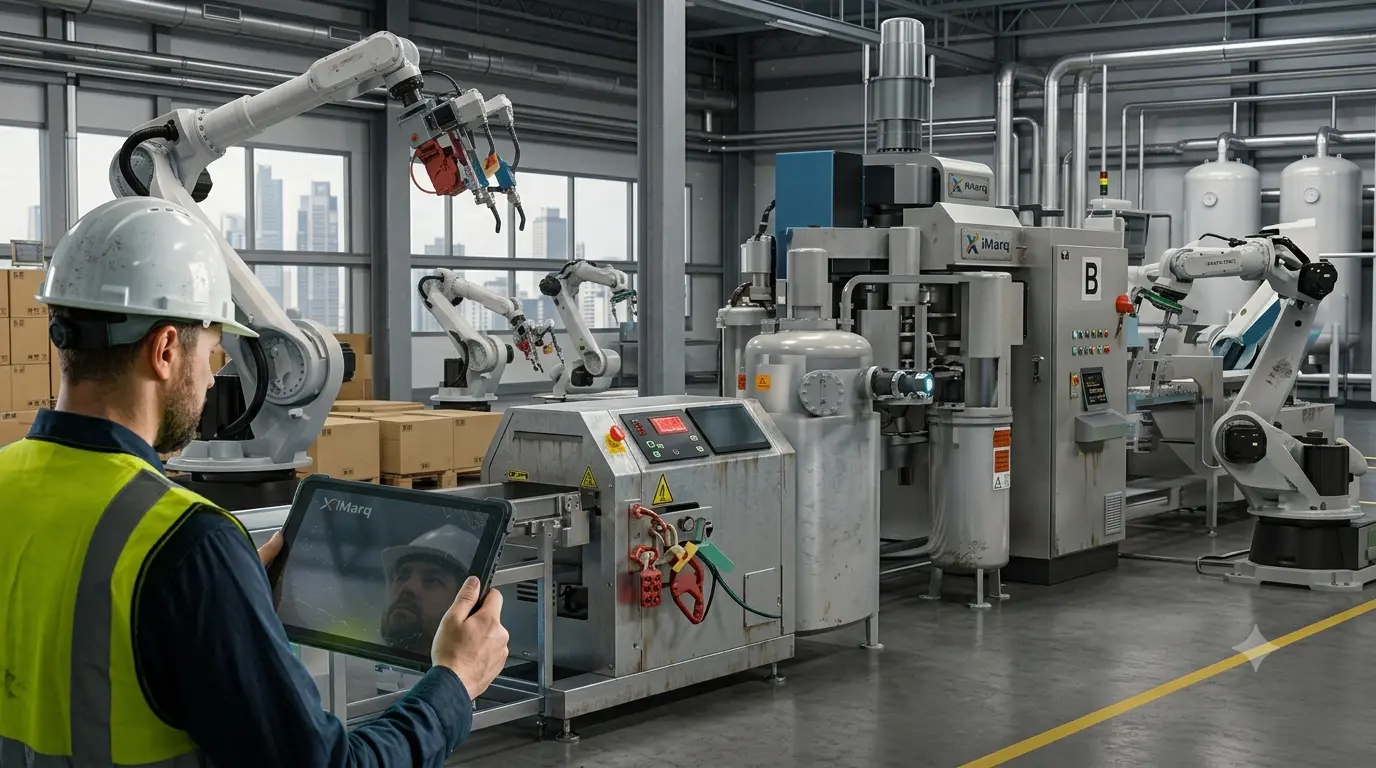
In a manufacturing plant, maintenance failure is rarely just a maintenance failure. An electrical fault or an HVAC failure in a controlled environment can compromise product quality, trigger a compliance violation, or halt production entirely. The systems inside the walls are as critical as the machines on the floor, and the documentation around them carries as much weight as the repair itself.
The Compliance Layer Nobody Can Skip
Regulatory scrutiny on industrial facilities has not eased. Lockout/tagout procedures, governed under 29 CFR 1910.147, remain among OSHA’s most cited standards nationally, ranking sixth with thousands of violations logged in recent enforcement data. These are not edge cases. They reflect a persistent gap between what plants know they should document and what gets recorded in the moment, on the floor, under time pressure.
The plants that manage this well are not the ones with the most paperwork. They are the ones where documentation happens automatically, as part of the work itself, rather than as a separate task technicians must remember to complete afterward.
Knowledge Capture, Not Just Failure Reduction
One of the more striking findings in 2026 industry data is what maintenance leaders value most from newer technology. When asked about the top benefit of AI in maintenance operations, the leading answer was not failure prediction or downtime reduction. It was knowledge capture and sharing. As experienced technicians retire, plants are losing the tribal knowledge, which valve tends to stick, which reading is normal for that specific compressor, faster than replacing it.
This reframes from the maintenance of technology conversation. The goal is not only to predict the next failure. It is to make sure that when the technician who has run that HVAC system for fifteen years retires, what they know does not retire with them.
Where iMarq Fits
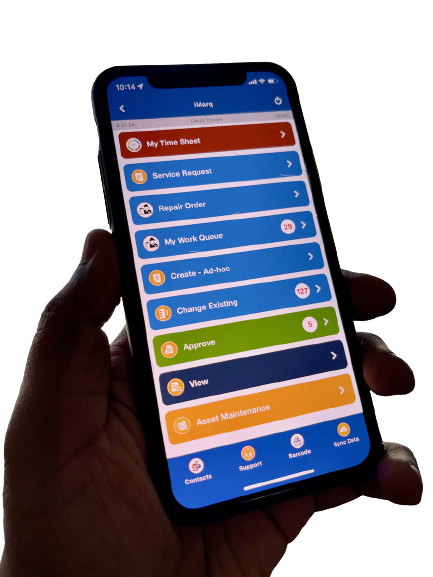
iMarq gives manufacturing plants digital forms and checklists for everything from routine safety checks to complex utility maintenance, creating one searchable, audit-ready record of every inspection, repair, and sign-off. When an OSHA audit or an internal safety review happens, the record already exists. Nobody is reconstructing it from memory or filing cabinet.
Just as importantly, every completed inspection and repair becomes part of an asset’s permanent history. The next technician assigned to a piece of equipment inherits the knowledge of the last one, not just the equipment itself. That is what turns individual expertise into institutional knowledge, and it is exactly the kind of continuity that keeps a plant compliant and safe as its workforce changes.
The Standard Being Set
Manufacturing plants that treat documentation as an afterthought will keep discovering their compliance gaps during an audit or, worse, an incident investigation. The plants setting the standard for 2026 have already made the shift: safety checks, utility maintenance, and equipment history all live in one system, accessible from the floor, so the plant’s institutional memory grows every day instead of walking out the door with each retirement.
Request a demo to see how iMarq brings compliance-ready documentation to industrial and manufacturing maintenance: https://www.connixt.com/try/
References:
- Coast App. (2025, November 7). 30 Key Maintenance Statistics & Facts Highlighting 2026 Trends. Retrieved from https://coastapp.com/blog/maintenance-metrics-statistics-facts/
- MaintainX. (2025, October 17). 25 Maintenance Stats, Trends, And Insights For 2026. Retrieved from https://www.getmaintainx.com/blog/maintenance-stats-trends-and-insights
- TMA Systems. (2026). 6 facilities management trends for 2026. Retrieved from https://www.tmasystems.com/resources/facilities-management-trends