
In the competitive landscapes of trucking/fleet management, oil and gas, and rail, asset downtime translates directly to lost revenue and operational inefficiencies. Executives in these sectors understand that a strategic approach to proactive asset management is not just a best practice, but a necessity for maintaining a competitive edge and ensuring operational continuity. This article outlines actionable strategies for optimizing asset performance, minimizing disruptions, and driving profitability.
The Executive Mandate: From Reactive to Predictive
The traditional reactive maintenance model, where repairs are undertaken only after equipment failures, is no longer a viable option for forward-thinking organizations. It’s a costly gamble that can lead to significant financial losses, safety hazards, and reputational damage. Today’s executives demand a shift towards predictive strategies that leverage data, technology, and intelligent analysis to anticipate and prevent failures before they occur. This transition requires a holistic approach, encompassing data integration across departments, process optimization, and a cultural shift towards proactive maintenance.
Key Strategic Initiatives for Executives:
Data-Driven Decision Making: The Foundation of Proactive Maintenance
Real-Time Monitoring Infrastructure: Investing in a comprehensive network of IoT sensors is crucial for capturing real-time data on asset health. This provides executives with a clear and immediate understanding of the condition of their critical equipment, from engine temperature in a fleet of trucks to pressure levels in an oil pipeline. This granular level of visibility empowers informed decision-making and allows for timely interventions.
Predictive Analytics Deployment: Implementing advanced analytics platforms is essential for extracting meaningful insights from the vast amounts of data generated by IoT sensors and historical maintenance records. By identifying patterns and trends, these platforms can predict potential failures with increasing accuracy, enabling proactive maintenance scheduling and resource allocation. This predictive capability minimizes downtime, reduces maintenance costs, and optimizes asset lifespan.
Integrated Data Platforms: Breaking down data silos and ensuring seamless data flow between sensor networks, CMMS, and other enterprise systems is critical for a holistic view of asset performance. This integration allows executives to access a unified dashboard, providing a comprehensive understanding of asset health, maintenance history, and operational efficiency. This facilitates data-driven decision-making at all levels of the organization.
Condition-Based Maintenance (CBM) Implementation: Precision Maintenance
Strategic CBM Deployment: While CBM offers significant benefits, it’s essential to prioritize its implementation for critical assets where downtime carries the highest cost and operational impact. This targeted approach ensures that resources are focused on the most vital equipment, maximizing the return on investment.
Technology Integration: Leveraging non-destructive testing (NDT) techniques, such as ultrasonic testing, infrared thermography, and vibration analysis, allows for accurate assessment of asset condition without disrupting operations. Integrating these technologies with remote monitoring capabilities provides real-time insights into asset health, enabling proactive maintenance decisions.
Performance-Based Contracts: Consider exploring performance-based maintenance contracts with service providers. This aligns incentives, ensuring that service providers are focused on maximizing asset uptime and minimizing downtime. This approach can lead to improved maintenance efficiency and reduced overall costs.
Optimized Maintenance Scheduling and Planning: Efficiency and Predictability
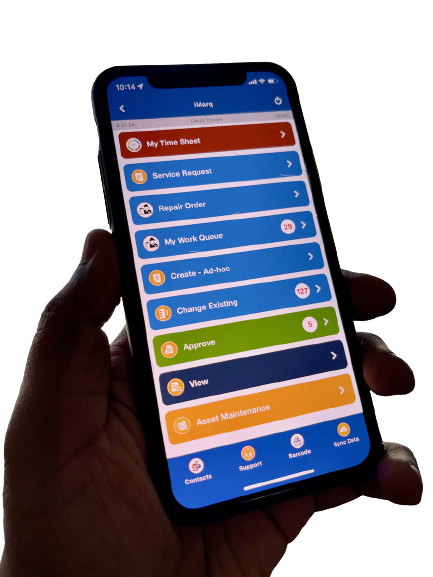
Digitalized Maintenance Planning: Implementing a digital platform for creating and managing maintenance schedules brings efficiency and transparency to the maintenance process. This ensures that all tasks are performed on time, according to established procedures, and with proper documentation. It also allows for easy tracking of maintenance history, providing valuable insights for future planning.
Resource Optimization: Data analytics can be used to optimize resource allocation, ensuring that the right personnel, spare parts, and tools are available when and where they are needed. This minimizes delays, reduces costs, and maximizes the efficiency of maintenance operations.
Risk-Based Maintenance: Prioritizing maintenance activities based on the risk of failure and the potential impact on operations allows for a more strategic approach. This ensures that critical assets receive the necessary attention, while lower-risk assets can be managed with less frequent interventions.
Industry-Specific Executive Considerations: Tailored Strategies
Trucking/Fleet Management
Utilize telematics data to monitor driver behavior, identify aggressive driving patterns that contribute to increased wear and tear, and implement training programs to promote fuel-efficient driving practices.
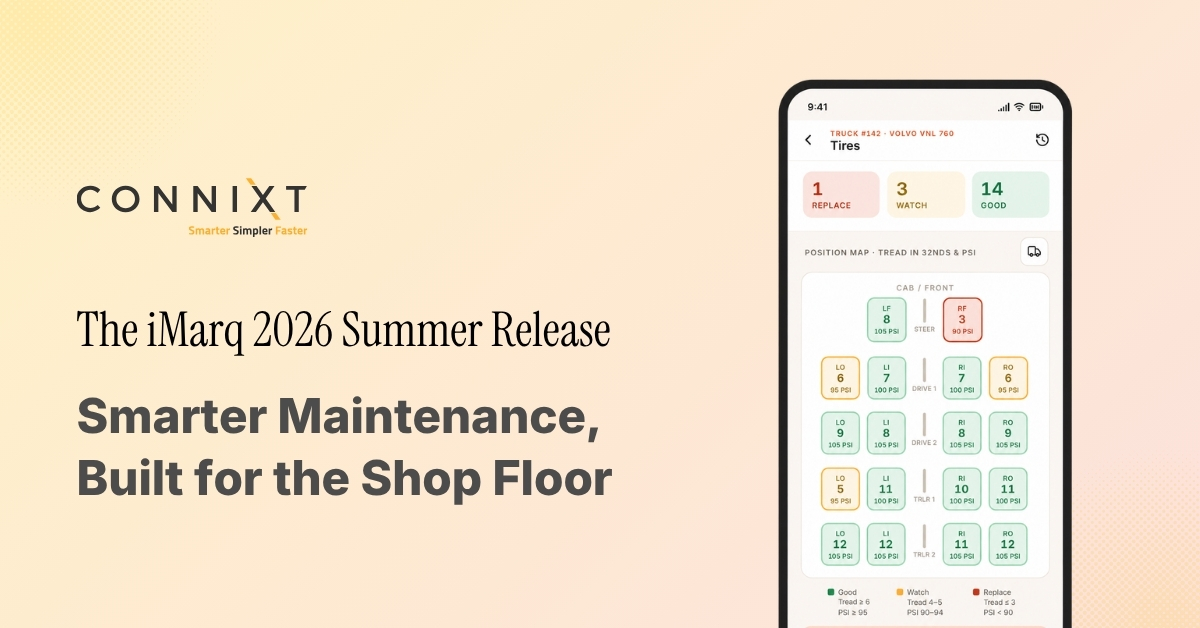
Establish comprehensive tire management programs, including regular inspections, pressure monitoring, and timely replacements, to prevent tire-related downtime, which is a major cause of delays and costs in the trucking industry.
Oil and Gas
Implement rigorous asset integrity management programs, adhering to industry best practices and regulatory requirements, to prevent leaks, spills, and environmental damage. This protects not only the company’s bottom line but also its reputation and social license to operate.
Prioritize corrosion prevention strategies, especially in harsh operating environments, such as offshore platforms and pipelines. This includes utilizing specialized coatings, cathodic protection systems, and regular inspections to mitigate the risk of corrosion-related failures.
Rail
Invest in advanced track inspection technologies, such as ultrasonic testing and ground-penetrating radar, to detect track defects early, preventing costly derailments and ensuring the safety of passengers and cargo.
Focus on predictive maintenance of rolling stock, including locomotives, railcars, and braking systems, to minimize disruptions to rail operations and ensure on-time performance. This may involve utilizing vibration analysis, oil analysis, and other condition monitoring techniques.
The Executive Advantage: Tangible Outcomes
By implementing these proactive asset management strategies, executives can achieve tangible benefits that directly impact the bottom line:
Increased Asset Uptime: Minimizing disruptions and maximizing operational efficiency, leading to increased productivity and revenue generation.
Reduced Operational Costs: Lowering maintenance expenses through preventative measures, optimized resource allocation, and the elimination of costly emergency repairs.
Enhanced Safety and Compliance: Preventing accidents, protecting personnel and the environment, and meeting regulatory requirements, which safeguards the company’s reputation and avoids potential penalties.
To streamline the digital transformation of asset maintenance, platforms like Connixt can provide a unified solution for data integration, analytics, and maintenance management, empowering organizations to optimize their maintenance operations and achieve peak asset performance.
Today, proactive asset management is not just a cost center—it’s a strategic imperative. Executives who embrace data-driven decision-making, invest in technology, and implement optimized maintenance strategies will gain a significant competitive advantage, ensuring operational excellence and sustainable profitability.