The Federal Railroad Administration just sent a clear signal to the industry.
In June 2026, the FRA announced a 25% year-over-year increase in rail safety fines as part of its efforts to ensure safer rail travel, backed by more than 70,000 inspections and over $21 million in civil penalties issued, with approximately 3,900 cases closed. The agency is also deploying more safety inspectors and enhancing regulations.
For operations leaders, the message is straightforward: enforcement is intensifying, and the cost of falling short is rising with it.
What Triggers a Penalty
Under FRA’s track safety enforcement framework, every violation carries a cost. Civil penalties starting at $650 and reaching up to $25,000 for an ordinary violation, with aggravated penalties going significantly higher. When an FRA inspector audits a railroad’s inspection records and identifies a defect, the railroad is formally on notice: the FRA knows about the issue, and the railroad’s awareness of it is now part of the record.
This is the part that matters most for maintenance teams: if a required inspection should have caught a defect, the railroad is responsible for catching it, not the FRA. The duty to inspect creates the duty to know. If maintenance records can’t demonstrate that inspections happened, on schedule, with documented findings and follow-up, the paper trail itself becomes part of the exposure.
Why Documentation Quality Is the New Frontline
Every organization believes its inspections are happening. Far fewer can prove it in a format an inspector can review in minutes rather than days.
When maintenance records live across paper logs, spreadsheets, and institutional memory, three things happen during an audit:
Records take time to assemble, and gaps surface that nobody knew existed. Inspection timing becomes difficult to verify against the actual maintenance schedule. And when a defect was found but the corrective action wasn’t documented with the same rigor, the record raises more questions than it answers.
None of this means the maintenance was inadequate. It means the documentation couldn’t keep pace with the standard being enforced.
What Strong Documentation Looks Like
The organizations that handle FRA scrutiny with confidence share a common pattern: every inspection, every defect, and every corrective action is captured at the point of work, not reconstructed afterward.
That means a timestamped record for every job, tied to the specific asset, with photos, checklist completions, and technician sign-off captured automatically. It means a corrective action is logged the moment it’s completed, not weeks later from memory. And it means the full history of an asset, every inspection it has ever had, across every facility, is retrievable in the time it takes to pull up a record on a tablet.
This is the difference between a maintenance program that’s audit-ready by design and one that’s audit-ready by scramble.
The Bottom Line
A 25% increase in enforcement isn’t a one-time event, it’s a trajectory. The organizations that build documentation discipline into their maintenance workflows now are the ones that will face FRA scrutiny with confidence, regardless of how enforcement evolves from here.
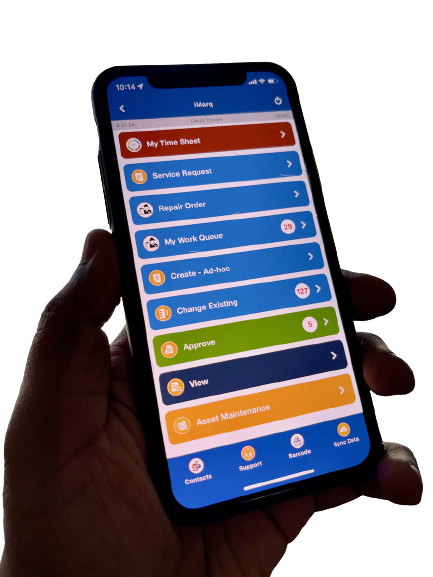
iMarq builds this discipline by default. Every completed job generates an automatic, timestamped, audit-ready record, tied to the asset, accessible across every facility, with no separate documentation process required.
Ready to move from reactive to proactive? Visit https://www.connixt.com/compliance-guide-for-short-line-railroads/ to read the full FRA Compliance Guide.
References:
- Railway Age – “FRA Issues 25% Year-Over-Year Increase in Rail Safety Fines” (June 8, 2026): https://www.railwayage.com/regulatory/fra-issues-25-year-over-year-increase-in-rail-safety-fines/
- Progressive Railroading – “FRA collected increased rail safety fines in 2025”: https://www.progressiverailroading.com/federal_legislation_regulation/news/FRA-collected-increased-rail-safety-fines-in-2025–77099
- Transportation Today – “Federal Railroad Administration safety fines increase 25 percent” (June 10, 2026): https://transportationtodaynews.com/news/37946-federal-railroad-administration-safety-fines-increase-25-percent/
- AJOT – “DOT ramps up rail safety enforcement, collects 25% more fines in 2025” (June 8, 2026): https://www.ajot.com/news/dot-ramps-up-rail-safety-enforcement-collects-25-more-fines-in-2025