
In 2025, organizations face growing pressure to demonstrate responsible environmental, social, and governance (ESG) performance—not just in policy but in practice. One of the most practical and measurable ways ESG progress is being tracked is through operations, particularly asset maintenance. As regulations evolve globally, maintenance functions are being called upon to contribute clear, auditable data on sustainability metrics.
A Shift Toward Mandatory ESG Disclosures
Across industries and sectors, ESG disclosures are moving from voluntary initiatives to regulated requirements. Reporting frameworks are increasingly asking organizations to back up their sustainability claims with real data: emissions levels, energy consumption, waste generation, water use, and equipment lifecycle information. The role of operations and maintenance is now central in this evolving landscape.
What was once considered internal housekeeping—routine inspections, servicing, and repairs—is now seen as a direct contributor to an organization’s environmental footprint. Maintenance activities are being scrutinized for their impact on carbon output, resource usage, and operational efficiency. This means that compliance with ESG regulations is no longer just the domain of finance or sustainability teams—it’s embedded in frontline operations.
How Maintenance Supports ESG Metrics
Asset maintenance teams are uniquely positioned to influence several key ESG categories. Their day-to-day responsibilities naturally intersect with the environmental aspects of business operations. Consider the following:
- Energy Efficiency: Well-maintained equipment typically runs more efficiently, reducing energy consumption and associated emissions. Regular maintenance can also extend the lifespan of machinery, delaying the need for replacement and reducing manufacturing-related emissions.
- Waste and Resource Management: Maintenance logs can help track the types and volumes of materials used and discarded. This includes lubricants, coolants, filters, and other consumables. By monitoring this data, organizations can optimize usage and disposal processes to reduce environmental impact.
- Water Usage and Leakage Detection: Facilities with water-intensive operations benefit from proactive maintenance of plumbing and infrastructure. Timely repairs and regular audits can prevent water waste and help identify systems needing upgrades for sustainability.
- Safety and Compliance: Properly maintained equipment reduces the risk of failures that could harm workers or the environment. This ties closely to both governance and social responsibility elements of ESG.
By integrating these operational realities into ESG reporting, companies can paint a more complete and authentic picture of their sustainability efforts.
The Role of Digital Tools in ESG Compliance
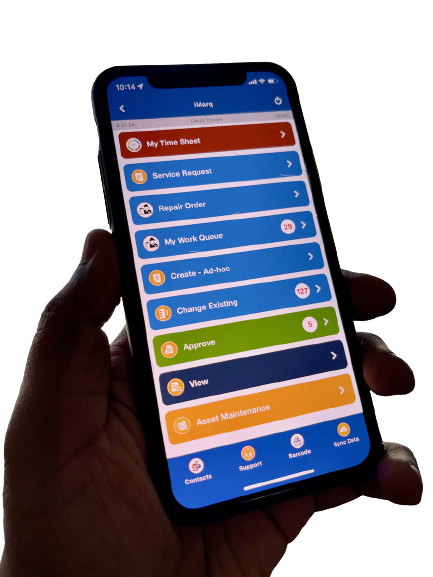
As ESG reporting becomes more data-driven, digital tools are playing a critical role in capturing the necessary information. Mobile maintenance apps and cloud-based asset management systems allow technicians to log data on the go, ensuring timely and accurate records.
These digital logs support:
- Real-time tracking of maintenance activities and their environmental impact.
- Audit readiness, providing a clear and traceable history of inspections, repairs, and materials used.
- Centralized reporting, enabling ESG teams to pull relevant operational data directly into compliance documentation.
Automating the collection and organization of this data not only improves accuracy but reduces the administrative burden on field teams. It also allows companies to identify trends, improve decision-making, and proactively address areas of concern before they escalate into compliance issues.
Preparing for the Future of ESG in Maintenance
Organizations that recognize the connection between asset maintenance and ESG performance are better positioned to meet emerging global expectations. Maintenance is no longer just about reliability and uptime—it’s also about sustainability, traceability, and accountability.
To keep pace, companies should:
- Invest in mobile and cloud-based maintenance platforms that enable digital data capture.
- Train maintenance teams to understand the ESG implications of their work.
- Build cross-functional collaboration between operations, sustainability, and compliance departments.
- Establish consistent metrics for tracking maintenance contributions to ESG targets.
Conclusion
The integration of ESG into asset maintenance is not a trend—it’s a response to a fundamental shift in how organizations are expected to operate. As regulatory requirements become more rigorous and transparency becomes the norm, maintenance teams are playing a pivotal role in shaping sustainable operations. By aligning asset maintenance practices with ESG goals, companies can not only meet compliance standards but also build more resilient, responsible, and future-ready businesses.